
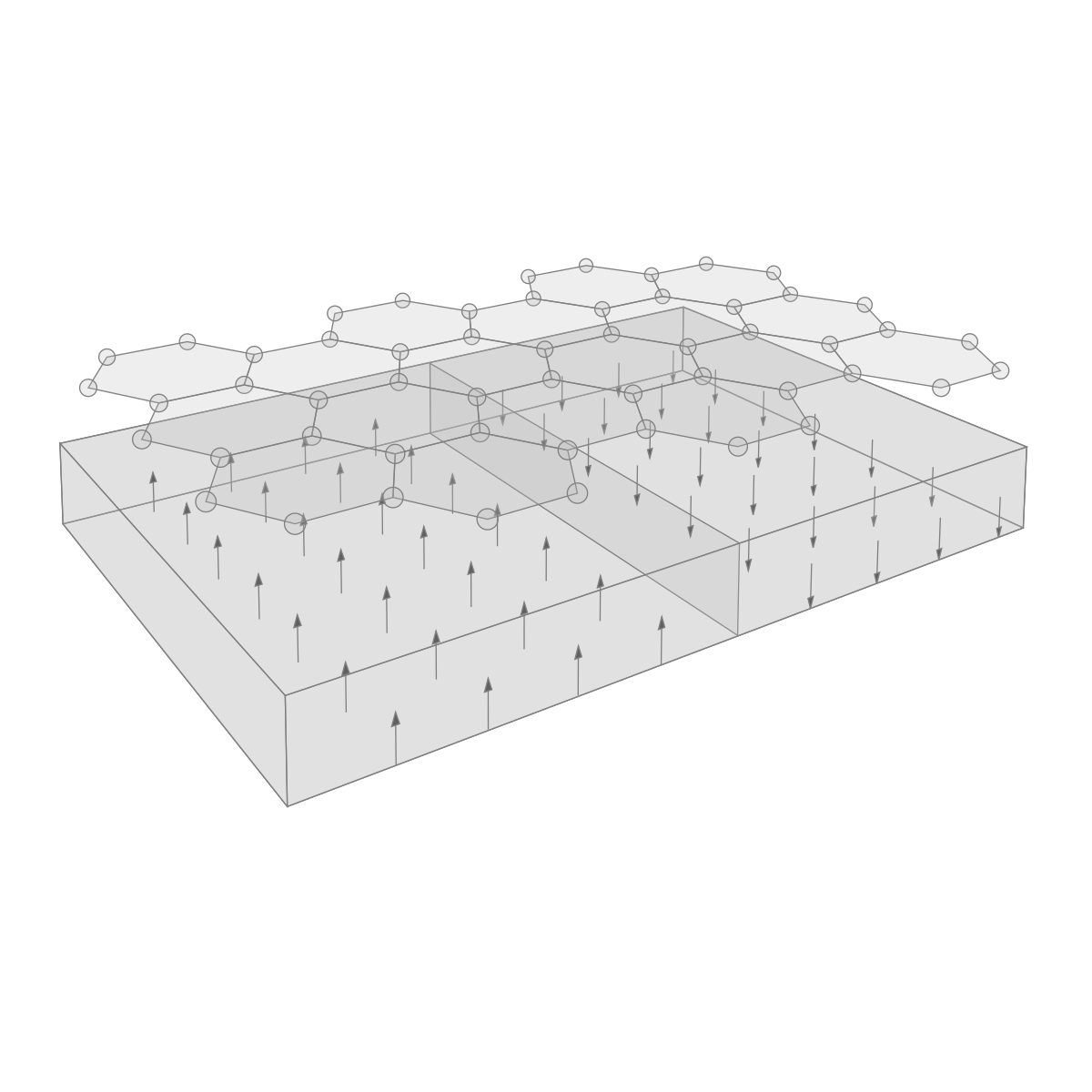
Schematic representation of a graphene layer on a ferromagnetic substrate, showing two magnetic domains separated by a sharp domain wall.
Superlattix is a quick 3D graphics editor designed for solid-state physicists. It helps explain and communicate complex concepts through schematic visuals.
The tool enables users to sketch simplified 3D models and export them as clean 2D images suitable for presentations, publications, and discussions.
Typical use cases include:
• preparing slides for seminar or conference presentations
• producing illustrations for grant proposals
• creating figures for scientific publications
• explaining device concepts or physical mechanisms to colleagues and collaborators
• preparing teaching materials for lectures and student problems
• sharing simplified visual explanations in messages or online discussions with other researchers
Superlattix is tailored for conceptual clarity rather than precise structural representation.
It's ideal for explaining physical mechanisms and device concepts, but not for detailed
structural modeling or complex device descriptions.
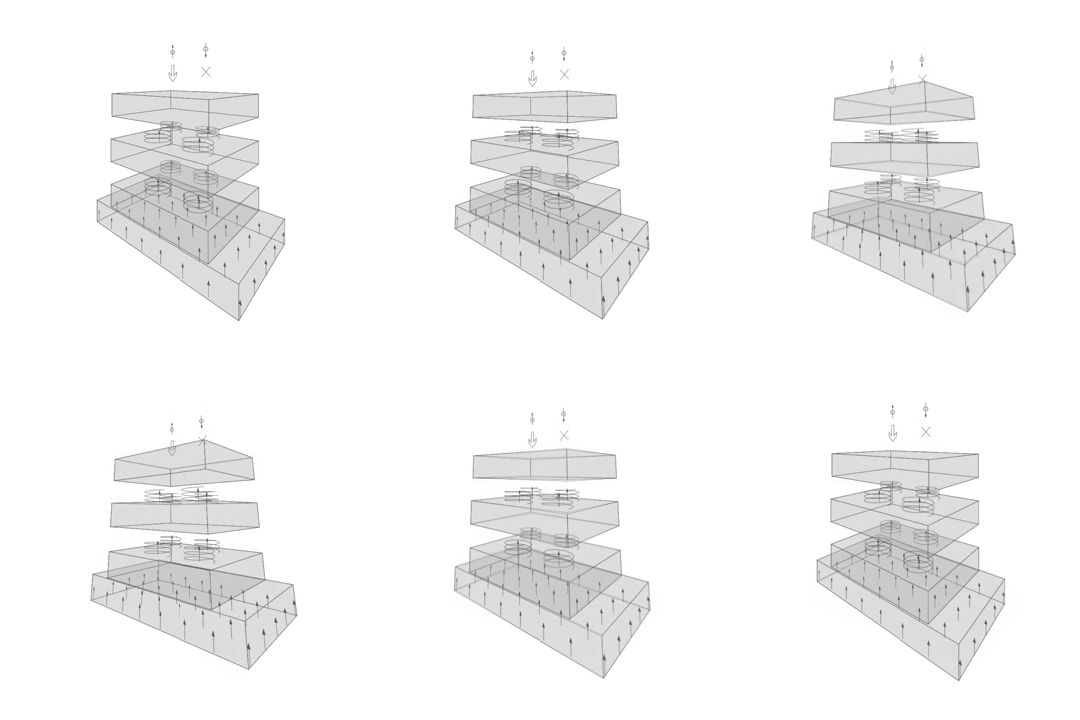
Superlattix uses internal 3D models so you can inspect a structure from different angles and choose the clearest view.
Each view can be exported as a standard image – just like any image – without requiring a special viewer.
Many researchers can explain their work clearly with quick sketches on a whiteboard or paper. The difficulty arises when those explanations need to be included in slides or messages.
Superlattix is designed for this transition.
With Superlattix you can focus on the schematic explanation of established or emerging concepts derived from abstract reasoning or experimental work – and turn it into clean, reusable images without requiring a full design process or graphic styling.
The result is a clean, purpose-driven diagram that preserves the explanatory power of a sketch while making it presentable.
The same schematic approach can be used to explain a wide range of structures and concepts in solid-state physics.
Examples include layered heterostructures, spin-dependent transport devices, and superconducting and magnetic systems. The focus remains on highlighting certain physical relationships rather than producing detailed or field-specific representations.
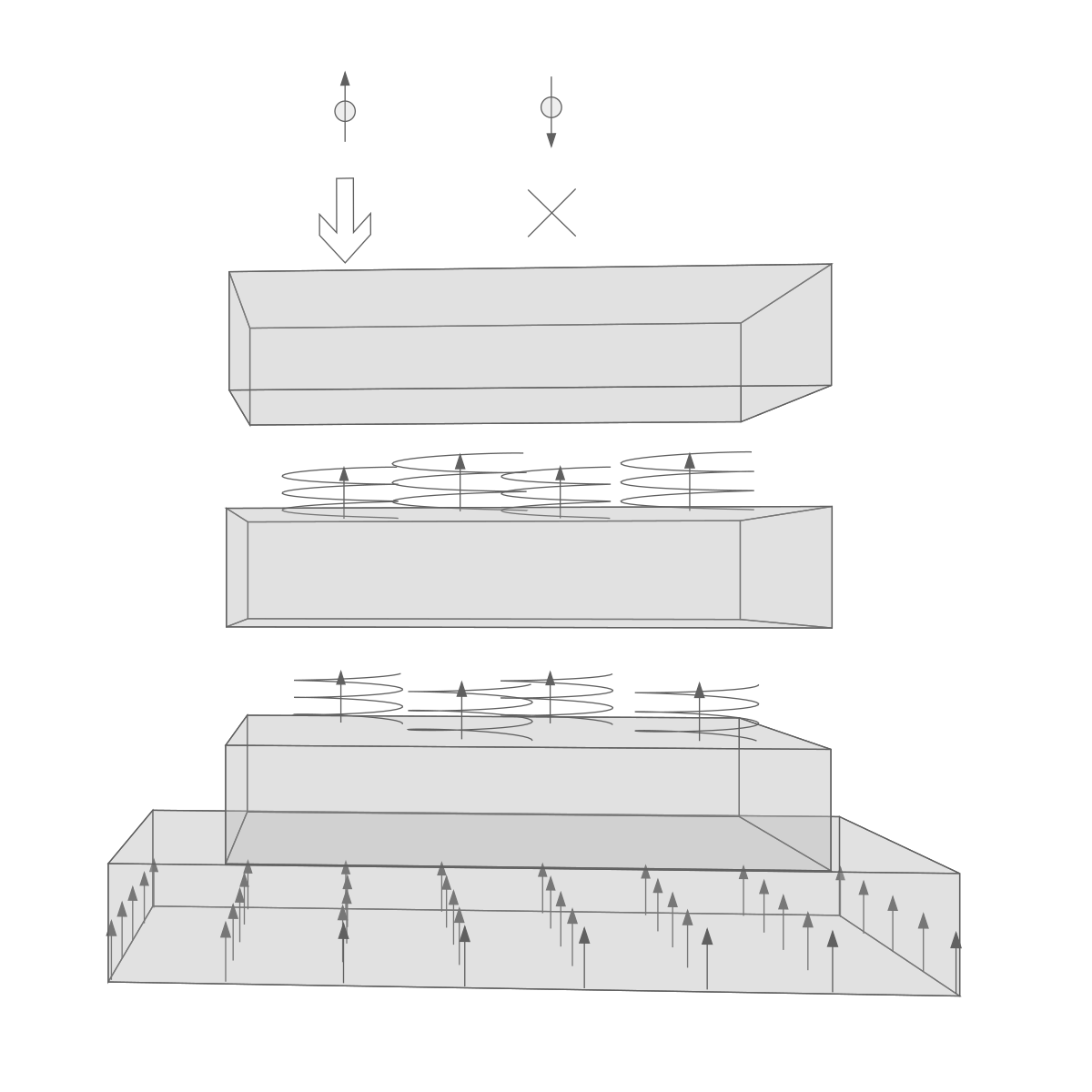
A layered heterostructure of a Chirality-Induced Spin Selectivity (CISS) spin filter.
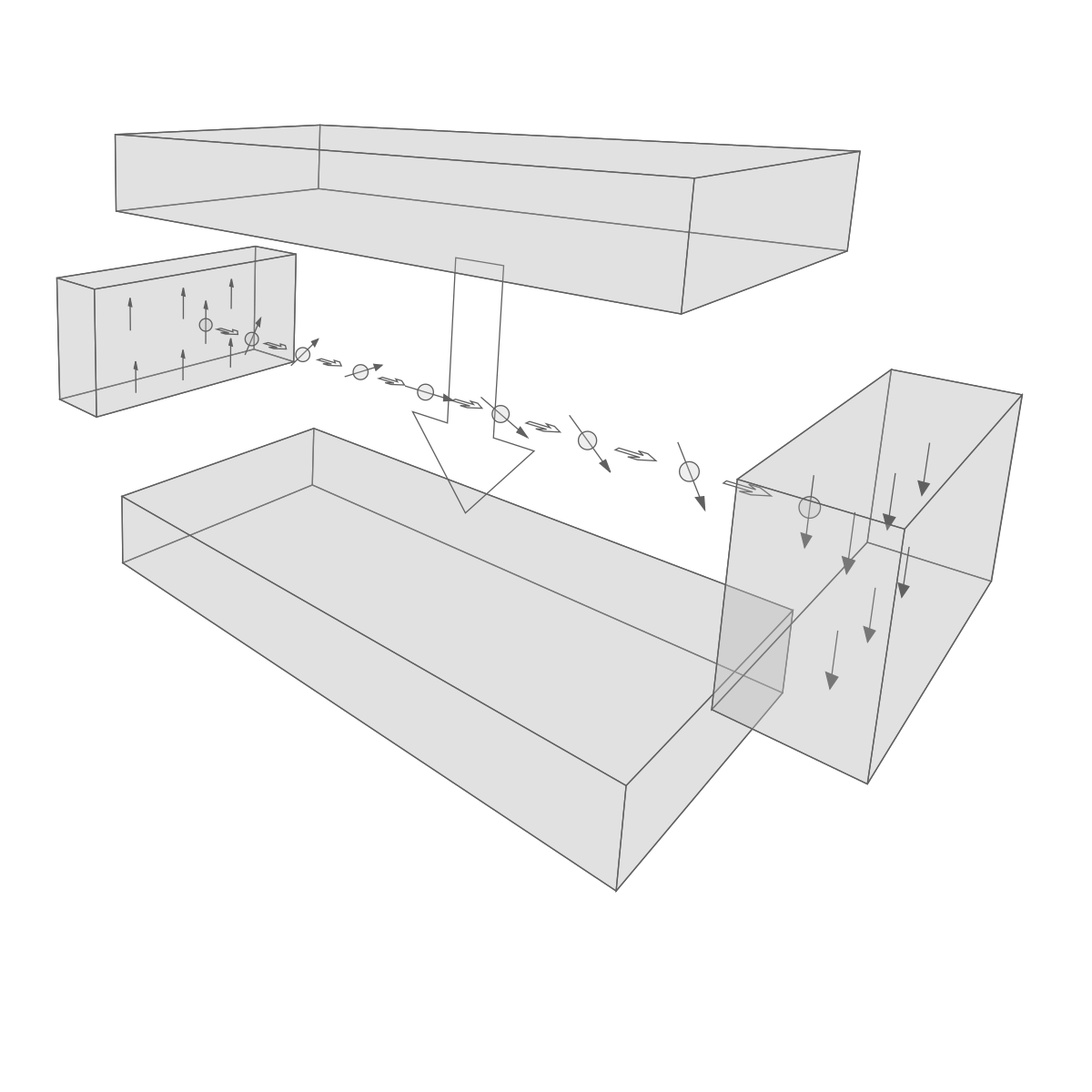
An illustration of the transport of spin-polarized electrons in a spin field-effect transistor (spinFET). The precession of electron spin in the semiconductor channel is caused by the spin-orbit interaction. Electrons with spin aligned with the magnetization direction in the drain contact leave the channel and contribute to the spin current through the spinFET.
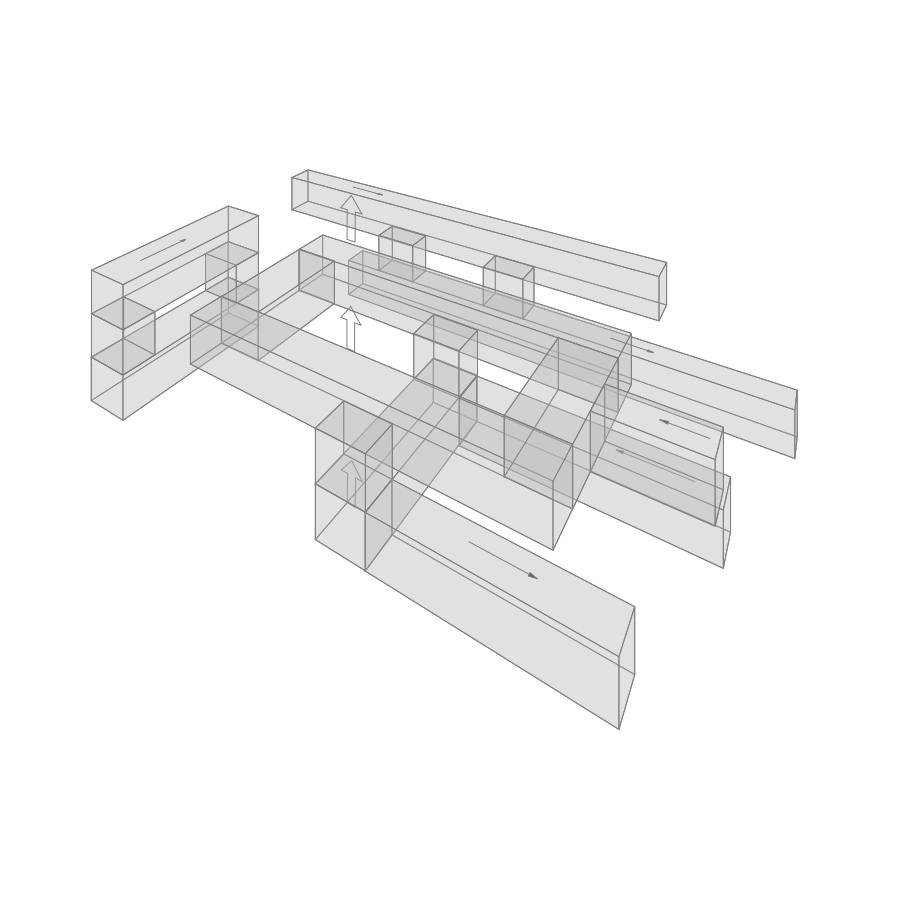
The topology of a nanometric-scale Superconducting Quantum Interference Device (nanoSQUID).
• Images ready for slides, documents, and messages
• Schematic views derived from internal 3D models
• No requirement to master graphic design tools
• Consistent, minimal visual language
Write to [email protected] to register your interest.